
Toledo, Ohio, has certainly had its harsh wind as well. Gusts last year of up to 70 mph toppled more than 500 trees in the area, damaging homes and property. Don’t let your house be next. It’s time to prepare. Wind is a real threat to homeowners in Northwest Ohio, and lake-effect winds, derechos, and microbursts can all make an ordinary storm expensive, even deadly.
We’ll take a look at the specific wind risks Toledo experiences, and offer you strategies to prevent storm damage one step at a time in this detailed guide to preparing your home for any kind of weather. From easy do-it-yourself repairs to professional-level improvements, you’ll find ways to protect your home against the forces of nature. There are quick wins, such as installing hurricane shutters (they can lower your risk of wind damage by up to 80%) and proactive home maintenance (it keeps repair costs down).
Toledo is particularly susceptible to wind damage, particularly Lake Erie storms and the predominant peak wind months of March-June and October-November. Let’s take a look at why wind damage pummels so hard in Toledo and what you can do about it.
Understanding Wind Risks in Toledo
The city is prone to severe thunderstorms during the spring and summer, as well as weak tornadoes. Toledo also has a risk of flooding.[50]Due in large part to its proximity to Lake Erie, Toledo experiences cooler temperatures than expected without significant body of water nearby. But beyond these annual bursts of wind, Toledo is well versed in derechos, rapid, wide-ranging storms that can produce charging winds up to 100 mph. Microbursts which are concentrated blasts of wind that can cause severe localised damage.
The most typical wind damage, from the National Weather Service in Toledo, includes:
- Roof damage: Strong winds can blow shingles off and even take parts of your roof with them.
- Window breakage: Projectile debris breaks windows, leaving homes vulnerable to the elements.
- Tree falls: In a city where trees are plentiful, strong winds can cause branches or entire trees to fall on roofs, cars and fences.
Home Exterior Fortifications
Roofing and Siding
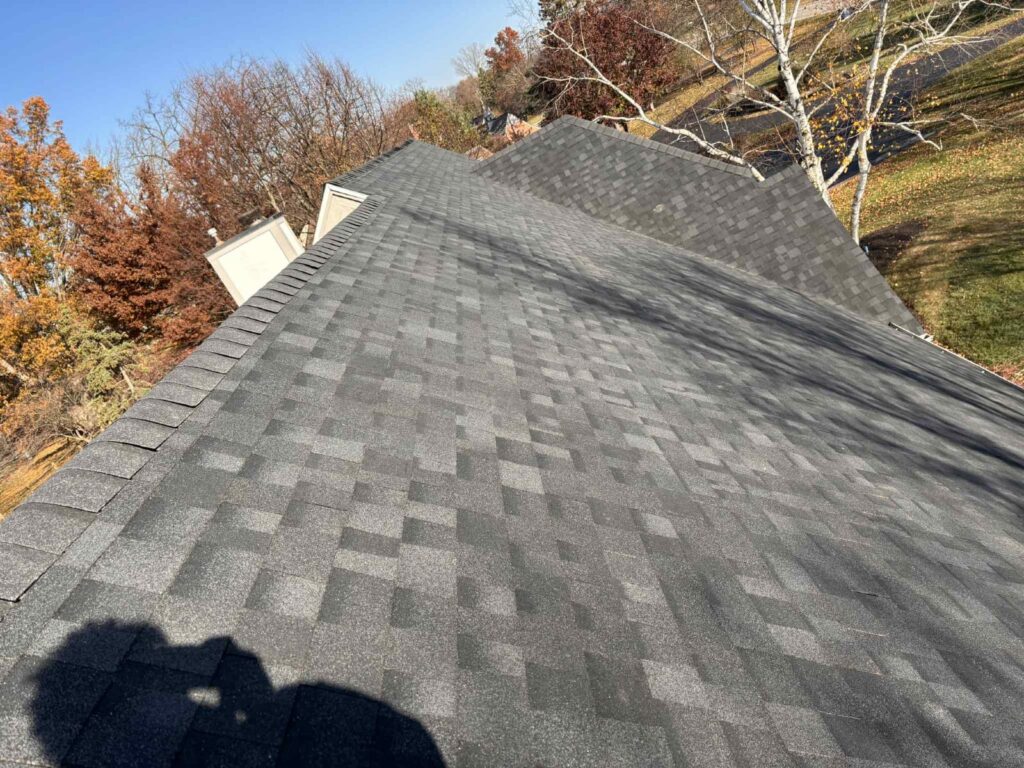
To prevent wind damage, strengthen your roof and siding When it comes to preventing wind damage, you need to start at the top at the roof. Invest in a more impact-resistant type of roof shingles, such as Class H roofing shingles that can withstand winds up to 130 miles per hour, or choose to install metal roofing material that may be able to resist upwards of 150 miles per hour. These improvements may not be as easy to install, but the enhanced security is sure to be worth it. If you are a handy person, you can also add hurricane clips to tie the roof structure back into (and onto) the walls so it doesn’t blow off in high winds.
When it comes to siding, I would look into fiber cement as opposed to vinyl. Fiber cement will stand up better to high winds, and may hold up better against cracking than vinyl. Though fiber cement is costlier, it’s an investment for the security of your home in the long term.
Windows and Doors
Other weak spots are windows and doors that you can easily fortify. Hurricane shutters can deter flying debris from smashing through your windows. If you’re feeling ready to step it up, some impact-resistant is another choice to think about. The City of Toledo has specific codes for preparednesss, so talk to a local contractor to find out what’s best in your area.
Gutters and Downspouts
And don’t overlook securing your gutters and downspouts. These are the little-known champions of preventing water damage and ice dams in winter. Ensure they are properly anchored and clean to minimize the chance of damage in heavy rains or ice storms.
Step-by-Step Checklist
- Inspect roof: Check for loose or damaged shingles.
- Install hurricane clips: Secure your roof to prevent uplift.
- Upgrade windows: Install impact-resistant glass or shutters.
- Secure gutters: Ensure they are mounted properly and clean.
- Trim overhanging branches: Prune trees to avoid limb damage.
Landscaping and Yard Protection
Tree Care
Wind damage is caused by wind being able to reach under the trees or overtop of them. When healthy branches get soaked by heavy rains, high winds can easily snap these weak branches or bring down entire trees, causing a great deal of damage to your property. Regular trimming of the trees is an important way to lessen the risk. Concentrate on branches that are dead or weak and could be hazardous in a storm. For safety and optimal results, you should hire an ISA-certified arborist.
Fencing and Sheds
If you have a fence, outdoor shed or playhouse, make sure it’s secured. Fences can be toppled in high winds, and sheds turned into projectiles. Ideally, use wind-rated fence panels and anchor kits to secure them. This is particularly important for people who live in places affected by high winds.
Debris Management
Debris is frequently carried in violent windstorms and can create a major hazard. You can clear your yard of loose objects like garden tools, patio furniture or kids’ toys, anything that could turn into a dangerous projectile. Loose anything that could get blown away.
Native Plant Recommendations
You may want to think about planting native, wind-tolerant vegetation around your home. Not only are these plants more suited to local weather, but they can act as a buffer against the pressure of the wind. Try to find shrubs and trees like sumac or red-twig dogwood, which can act as natural windbreaks.
Interior Safeguards and Emergency Steps
Garage Doors
In high wind, your garage door is frequently the most vulnerable part of your home’s structure. These garage door bracing kits offer an easy and affordable way to brace your wall and stop your garage door from blowing in with high winds. It is essential that you periodically examine your garage door and ensure it is working correctly before storm season.
Attic and Crawlspaces
Strong winds may also produce uplift on your home structure. Make sure that your attic and crawlspaces are adequately strapped to avoid structural collapse. Wind-strap strapping is important to hold the roof and walls together, which helps prevent a full roof blow-off during high winds.
Emergency Kit
Have an emergency kit that supplies board-ups/plywood, a generator if need be, Toledo-specific alerts (i.e., Lucas County sirens), etc. Be prepared for what you would do if you need to get out.
Insurance Tips
Damage that’s caused by wind is generally covered under your homeowner policy, but it makes sense to purchase a rider for wind to be really safe. Insurance companies often give discounts for homes that have storm-proof upgrades.
Professional Services and Local Resources
Professional Services and Local Resources
When to Call the Pros
While DIY fixes can go a long way, some jobs require professional help. If your roof is severely damaged or if you’re unsure about the structural integrity of your home, call a local contractor. Some Toledo-based companies, such as Salinas Exteriors, specialize in storm-proofing homes.
Incentives
Ohio offers PACE (Property Assessed Clean Energy) financing for home retrofits, which can help fund your stormproofing projects. You can also look into Ohio grants that provide funding for home safety improvements.
DIY vs. Hire Matrix
| Task | DIY Cost | Pro Cost | Time | Effectiveness |
| Install hurricane clips | $100 | $1,000–$2,500 | 2–4 hours | High |
| Trim overhanging branches | $200–$500 | $500–$1,500 | 4–6 hours | Medium-High |
| Install impact windows | $500–$1,000 | $5,000–$10,000 | 4–6 hours | High |
Case Studies and Real Toledo Stories
After a derecho hit Toledo in 2023, several homeowners reported extensive damage to their roofs and windows. Those who had installed hurricane shutters and impact windows fared much better, with minimal damage. Tom and Jennifer, local homeowners, shared how their decision to upgrade their roof and windows after the 2019 storms saved them from over $10,000 in repairs when another storm rolled in.
Conclusion and Action Plan
By acting now, you can greatly minimize the vulnerability of your home to wind damage. Whether you’re strengthening your roof, updating windows or securing the garage door, all of which are proactive measures that can save repair money down the road and keep peace of mind during a storm.
Top 5 Prevention Steps for Toledo Homes
- Regular roof inspections and upgrades
- Impact-resistant windows and hurricane shutters
- Tree trimming and yard maintenance
- Garage door bracing
- Emergency prep and insurance updates
Take Action Today
Don’t wait for the next big storm. Schedule your free roof inspection with Cox Roofing today and ensure your home is ready for whatever nature throws its way. Visit our website at coxroofingtoledo.com to book your consultation and get started on making your home safer.
What’s your biggest wind worry? Share your thoughts in the comments below!